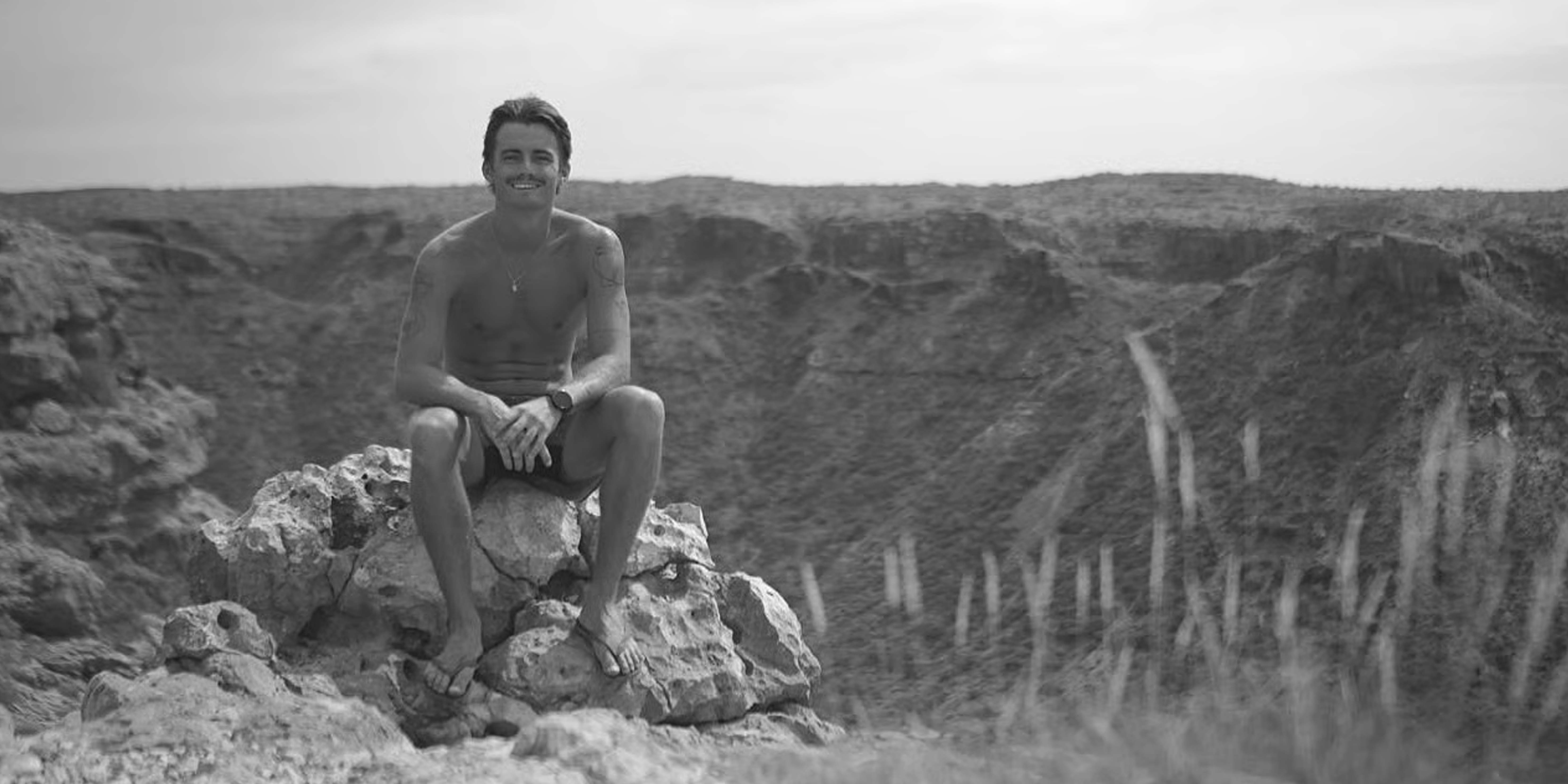
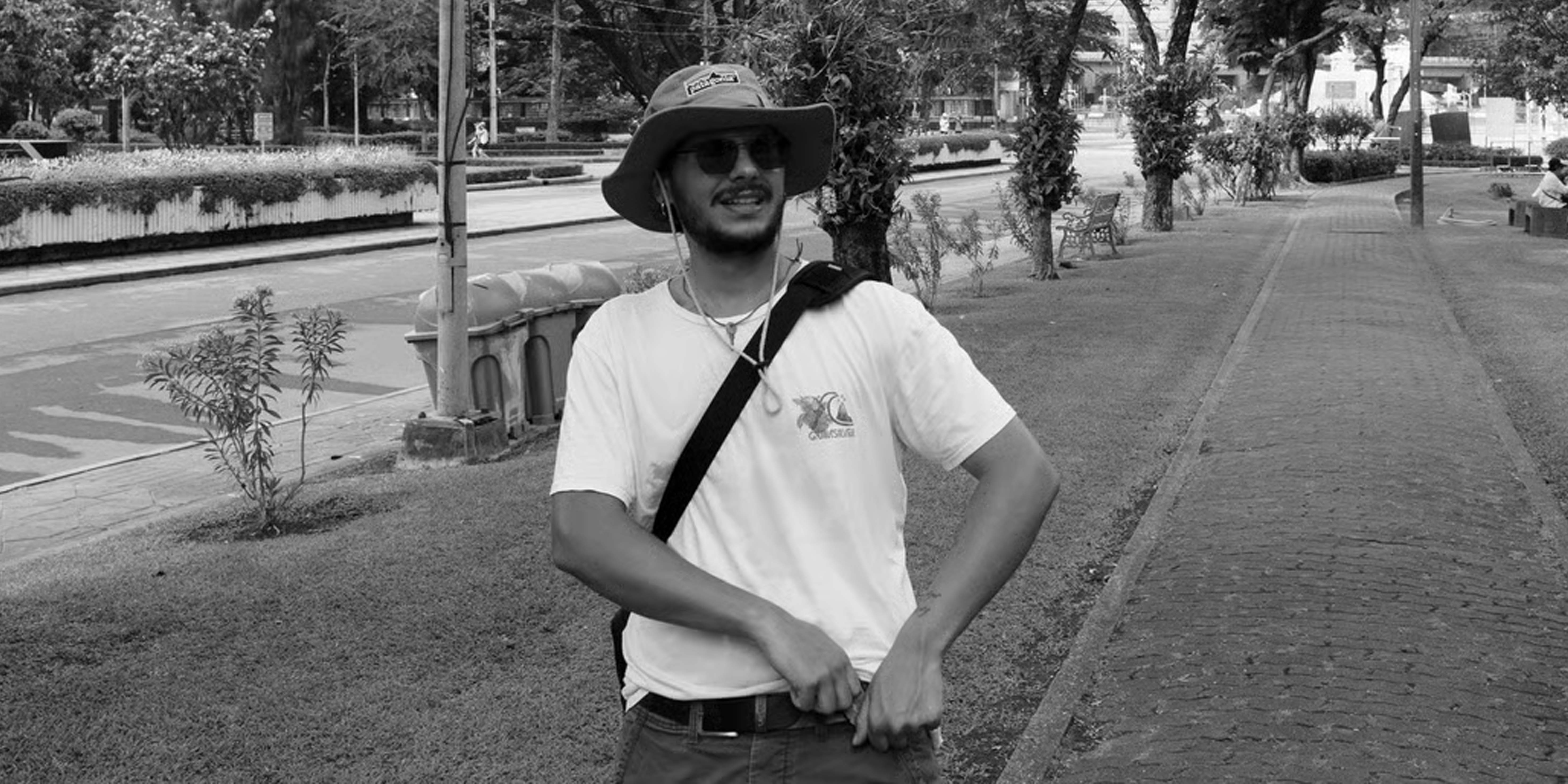
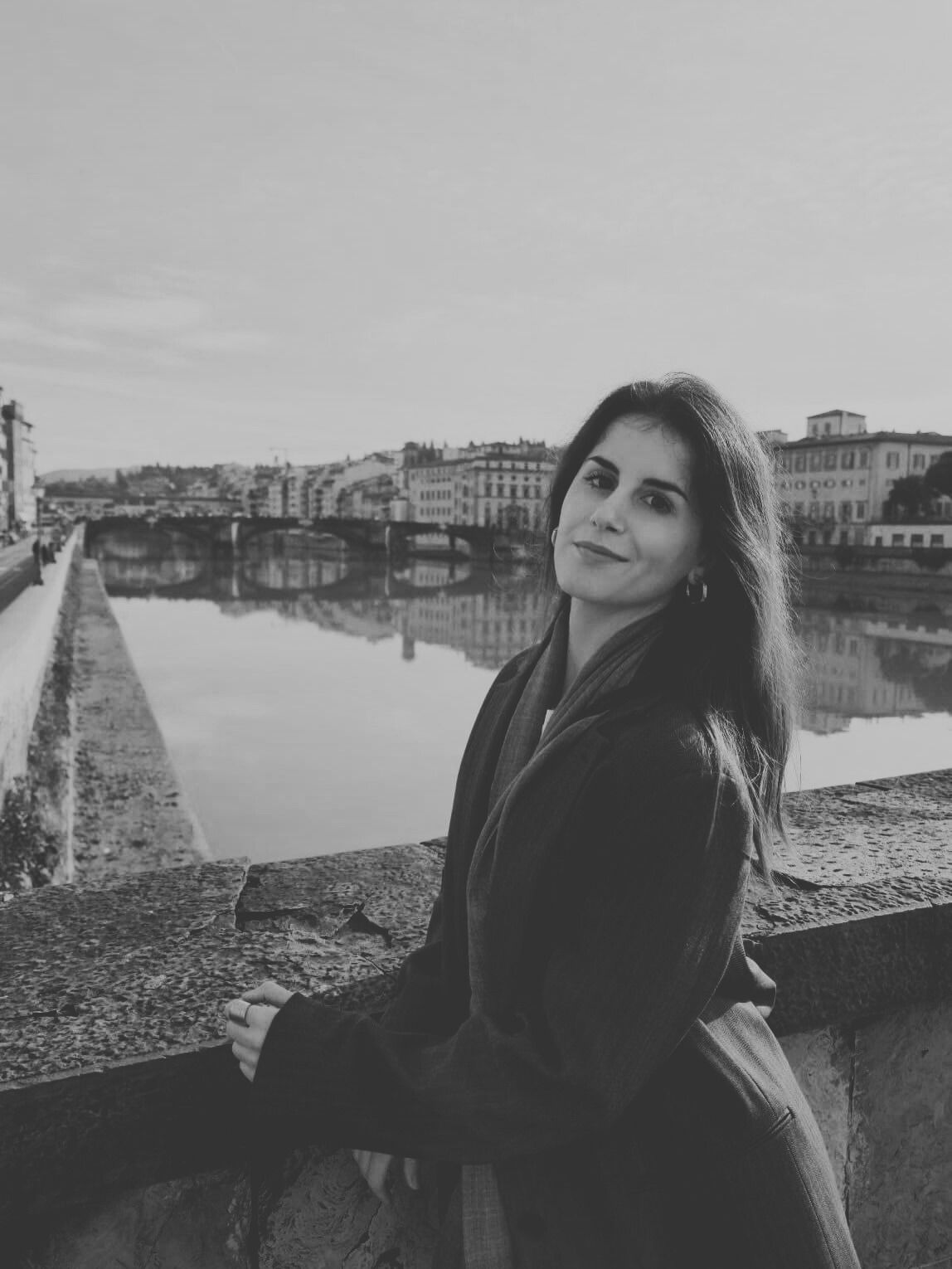
The story of Lovemore has grown organically. It has never been and will never be a classic, corporate ‘business plan’ model. It was never a strategic idea to fit a demand niche. Instead, it has come into fruition almost of its own, with serendipitous alignment around every corner. And it’s this organic alignment that makes me believe such a project is not only possible, but meant to be.

In 2017 my family was invited on a tour through regional Zimbabwe for a cultural exchange. I come from a family of musicians, and the previous year we had fundraised for World Vision Zimbabwe, who would become our tour guides in an effort to show us where and how their donations are spent. This is where I was introduced to the key person in this project: Lovemore Nyoni. Lovemore was our liaison and translator, a local man of Hwange, who spoke with elegance and a passion for his people. We spent the week with Lovemore, driving through rural communities, visiting villages and schools, and learning about the Zimbabwean way of life and the complicated history their country has faced. It was a fascinating and unforgettable experience that has glued to me ever since. Incidentally, as we were taking a tour of Nechishala Secondary School and seeing the great work of the community members and the ambition of the students, we noticed a problem. We saw that a handful of students had hessian sleeping ‘mats’ rolled up in the side of the classroom, and there was a fire pit in the corner with a crude* stand built for a single cooking pot. We asked Lovemore about this, and he opened our eyes to a problem not only faced in Nechishala, but faced all over rural Africa. The problem at the core is not necessarily being a lack of schools, buck a lack of accessibility to schools. Lovemore would begin to tell us about the current students’ daily routes to school, some of them walking up to 11 kilometres - through the bush - to school each day. And those that lived further? Say one student who was living almost 40 kilometres away? The only solution is ‘bush boarding’. Walking 40 kilometres to school on a Monday, attending classes, pushing the tables and chairs away after class, cooking in the corner of the room, bathing in the nearby river and finally sleeping. Only to be repeated again, five times, before walking home on a Friday after class. Bush boarding was something that I had never heard before. Of course I had heard for the need of education, sanitation, food, clean water etc that so many charities throughout the world do great work raising for. But I’d never heard of students ‘bush boarding’. For me I was instantly inspired. I talked to the students there and found such a drive to receive an education. It was then that I understood my own privilege and ignorance of how important receiving an education was. I immediately thought of how I used to hate going to school, hate taking the bus, hate how slow time would go in class, hate how fast time would go in lunch break. And I know I’m not alone in experiencing that hatred towards school. In that instance I realised what a privilege education was, and how much these children respected (and deserved it).

As we were in the car back to Harare, headed home, my father consulted with the liaison World Vision Canada team who had organised this whole trip about the possibility of building a small and basic dormitory to help shelter those students. WV Canada jumped at the idea, and they began doing all the necessary paperwork, planning and organising. They had building plans drawn up with an architect back in Australia, and they began to organise a concert fundraiser. The WV Canada liaison was even able to receive a certain clearance from head office entitling them to receive 100% of donations (basically WV agreed to waive their mandatory expenses fee). All of this was looking great until COVID. World Vision had staff cuts world wide, and our liaison was cut, the 100% donation clearance with it. So, as many things did during those COVID years, the project was lost, and it slowly began to slip our minds.
Cut to 2023. It’s September and I’m eating alone at a tree-house restaurant in Sri Lanka. It was the near the end of a solo backpacking trip I did around Asia, in which 5 months previously I had first stumbled across Jacopo in a hostel in downtown Hanoi, and through Jaco, later met Dani outside another hostel in Krabi, Thailand. Through this trip I had spent a lot of time in restaurants, eating for one and journaling. But this particular time in Sri Lanka I began thinking about Zimbabwe, and honestly it was because during this month I spent in Sri Lanka with a bunch of South Africans I met at (another) hostel. And they would tell stories of home and remind me of that southern African landscape I had been so fascinated by. So I started journaling, reminiscing about that experience being out in rural Africa and seeing a completely different way of life. Then I thought about the school, and about the faces of the teenage boys and girls sleeping in their classrooms, walking 40 kilometres through the bush to get to school, washing in the river, and sleeping at night without the comfort of their homes or families. And as I was writing about it I remembered the family project from years past and how how it had been lost. And as I was sitting there I realised, well, I didn’t really have any plans. I didn’t have a job or studies to go back to (I’d finished my studies and quit my job the previous year to go travelling). So I thought to myself, what if I can get this going again? I opened my phone and typed Lovemore into the email search bar. I got a hit from an email sent by Lovemore Nyoni six years previously. So I reached out to him, asked him if he was still working for WV Zimbabwe, and if there could be the possibility of rekindling the old project.
I received an email back from him within days, affirming his position with WV Zimbabwe, and enthusiastically saying the project would still be entirely possible. We scheduled a Zoom meeting and introduced me to another WV Zimbabwe Officer who would be the one to facilitate the idea.
So in a way I believe the project really started there, with that email sent from the tree house restaurant between sips of mango lassie.
Over the course of the last few months of my travel in 2023 I spent a lot of time on my computer, digging up the old email archives between World Vision Canada, my family, the architects, the construction companies, and everything in between. I wanted to see how close we had been before, and what I could recycle for the new iteration.
The next step was putting all of this into motion. The three of us put together a launch strategy and, in typical Lovemore fashion, did most of it ourselves. We made the Canva designs, wrote the posts, filmed reels, and worked out how we were actually going to get people to pay attention to what we were doing. I flew back and forth to Italy a number of times from where I live in Barcelona to film content and build the launch strategy. We put together different launch presentations, built the website, started reaching out to our contacts, and eventually, we launched.
One of the first things I did was get back in touch with a large donor who had previously shown interest in making a significant donation once we were registered. Unfortunately, by the time we were ready to approach them again, that donation was no longer available. So, after all the work of getting registered and preparing everything, we were more or less back to square one.
What followed was probably the less glamorous part of starting a charity. There were periods where we received no donations at all. Then there would be a small donation through one of our reels, followed by another from a small company, and gradually, things started to move. We sent messages through LinkedIn, email chains and personal networks across Australia, Italy and Canada. Slowly, the project started reaching people beyond the three of us, and eventually we raised enough to begin the first stage of the build.
That first stage was the sanitation facilities for the girls who were bush boarding at Nechishala. The project provided toilets, showers and running water for approximately 30 female students. We were able to do this through World Vision Zimbabwe, who helped facilitate the implementation on the ground. After years of talking about the project, planning it, losing it and starting again, it was finally being built.

We were then given the opportunity to take the project a step further through Jaco and SiVola Travel, as part of their SiVola Together program, which organises charitable give-back tours. Jaco brought a group of around 15 Italians to Zimbabwe, where they visited the construction site, saw the sanitation facilities and, most importantly, spent time with the community. We were all immensely proud to see the photos of the facilities and students come back, and the trip went so well that SiVola gave us the green light to do another one the following year, with expanded capacity!

While we were there, we also met Greenline Africa, a new potential project implementation partner. After seeing their local presence and the work they were doing on the ground, we decided to move forward with them for the next project stages.
So, the focus has now started to shift towards the boys’ side of the school, with plans for a boys’ dormitory and sanitation facilities, alongside other projects that we hope to develop as Lovemore continues to grow organically.
It is strange to look back at the whole thing now. What started with a family trip to Zimbabwe in 2017, was lost during COVID, and then resurfaced years later in a treehouse restaurant in Sri Lanka has gradually become a real project with real buildings, real people involved and a growing community around it. There was never really a master plan for Lovemore. Most of it has happened because someone knew someone, an email was answered, a friend offered to help, or an opportunity happened to appear at the right time, just before we thought a roadblock had killed the whole thing.
I think that remains the best way to describe Lovemore; it has grown because people have kept saying yes to it.